Tips Menyusun Manajemen Bankroll agar Sukses di Judi Live Casino – Masih banyak sekali pejudi di luar sana yang tidak memiliki manajemen bankroll yang baik, bahkan kesannya diabaikan, padahal merupakan faktor utama penentu kesuksesan anda dalam permainan Judi Live Casino.
Bagi anda yang tertarik, bagaimana tips memiliki manajemen bankroll yang baik? Semuanya akan kami kupas tuntas dalam edisi artikel kali ini. Ikuti terus pembahasannya.. Selamat membaca, Bosku!!!
Prinsip Dasar Manajemen Bankroll dalam Judi Live Casino

Sebuah institut online gaming terkemuka di Amerika melakukan survey terkait bisnis judi di negara tersebut. Hasil survey menunjukkan bahwa seorang pejudi mampu menghabiskan uang sebanyak ± $541 untuk sekali kunjungan ke casino. Kemudian, lembaga tersebut juga mencatat bahwa sebuah casino di Amerika memiliki pendapatan dengan angka yang sangat fantastis setiap tahunnya, yaitu berada di angka $10 miliar per tahun!
Hasil survey pun menguak sebuah fakta yang sangat menarik, yaitu bahwa tidak semua dari pemain judi itu kalah dalam permainan casino. Artinya, apakah selalu ada cara bermain yang tepat yang bisa membuahkan hasil maksimal?
Manajemen bankroll memegang peranan viral dalam menentukan kesuksesan seorang pejudi. Sayangnya, ironisnya dan faktanya adalah, persoalan manajemen bankroll ini masih menjadi salah satu aspek yang paling sering diabaikan.
Anda memiliki kebebasan di dalam menentukan seberapa banyak uang yang ingin anda habiskan dalam perjudian. Tapi, manajemen bankroll akan memastikan bahwa anda telah menghabiskan uang anda dengan tepat sehingga terhindar dari kekalahan besar, bahkan kebangkrutan.
Penerapan prinsip dasar dari manajemen bankroll ini adalah membuat dan menetapkan beberapa batasan permainan. Batasan yang dimaksud disini adalah batasan sampai dimana kemampuan anda menghadapi resiko kekalahan, seberapa besar nominal kekalahan yang sanggup anda hadapi.
Perspektif tentang Perjudian
Sebelum kita membahasnya dengan lebih spesifik lagi, terlebih dahulu kita membahas cara anda memandang sebuah perjudian dengan menggunakan kacamata anda. Perlu anda ketahui, perspektif anda tentang perjudian ternyata turut memberikan pengaruh besar untuk gaya bertaruh anda.
Jangan sekali pun memperlakukan perjudian sebagai bisnis. Memang sama – sama berpotensi menghasilkan keuntungan, tapi perjudian dan bisnis memiliki prinsip dan implementasi yang sama sekali berbeda. Dengan menganggap perjudian sebagai bisnis, anda telah melakukan kekeliruan terbesar dalam hidup anda.
Suka tidak suka, terima atau tidak, sebenarnya tidak ada masalah besar yang ditimbulkan dengan hadirnya perjudian dalam kehidupan anda. Yang menjadi masalah adalah ketika anda tidak bisa melepaskan diri dari perjudian. Orang yang kecanduan berjudi jelas adalah pejudi yang bermasalah dan beresiko tinggi menghadapi kebangkrutan. Jadi sebenarnya inti permasalahan bukan terletak di perjudian, melainkan terletak pada masalah personal itu sendiri.
Yang lebih fatalnya adalah, anda menggunakan uang pinjaman untuk bermain judi. Tidak dipungkiri jika utang merupakan bagian dari kehidupan finansial manusia. Tapi menggunakan uang pinjaman untuk bermain judi jelas – jelas adalah kesalahan fatal.
Tips Menyusun Manajemen Bankroll dalam Judi Live Casino
1. Gunakan hanya Satu Sumber Dana dalam Permainan

Tips pertama yang harus anda lakukan adalah hanya menggunakan satu sumber dana untuk bermain. Penggunaan satu sumber dana saja ditujukan agar pengelolaan manajemen bankroll menjadi lebih sederhana.
Di dalam menyusun manajemen bankroll, anda memiliki kebebasan menentukan semua batasan. Tentukan budget awal permainan, kemudian tentukan batasan maksimal untuk kekalahan yang masih sanggup anda hadapi, dan anggap modal awal ini sebagai uang yang akan hilang.
Selanjutnya, tentukan target kemenangan yang ingin anda raih. Target kemenangan yang anda tetapkan haruslah angka yang masuk akal karena tidak ada perhitungan matematis dalam perjudian yang bisa membuat anda meraih kemenangan secara terus menerus.
Ketika anda berhasil mencapai angka target kemenangan, keluar dari permainan, berhenti bermain dan lakukan penarikan dana. Anda harus konsisten dengan angka target kemenangan yang anda tetapkan di awal permainan. Tidak ada yang bisa menjamin anda akan menang terus menerus sehingga berhenti bermain adalah langkah terbaik begitu anda mencapai angka target kemenangan tersebut.
Berhenti bermain dan keluar dari permainan juga harus anda lakukan ketika anda kalah dan kehilangan semua modal permainan. Jangan pernah melanjutkan permainan dengan tujuan untuk mengejar kembali kemenangan. Cara bermain seperti inilah yang sering menyebabkan seorang pejudi mengalami kekalahan dalam jumlah besar, bahkan tidak tertutup kemungkinan mengalami kebangkrutan. Anda harus berhenti bermain karena anda tidak pernah bisa memprediksi kapan rentetan kekalahan akan berakhir.
2. Bermainlah dengan Menggunakan Waktu Bermain sebagai Acuan, Bukan Jenis Permainan
Lanjut ke poin nomor 2, untuk memiliki manajemen bankroll yang baik anda harus bermain dengan mengacu kepada waktu bermain, bukan mengacu kepada jenis permainannya.
Contoh kasusnya adalah sebagai berikut ;
Anda memiliki modal awal permainan sebesar $1.000. Di awal permainan, pisahkan modal $1.000 ini menjadi beberapa batasan permainan sesuai dengan permainan yang ingin anda mainkan. Misalnya :
-
- $100 untuk bermain sportsbook
- $200 untuk bermain live casino
- $700 untuk bermain mesin slot
Setelah batasan modal permainan ditentukan, selanjutnya tentukan batasan waktu untuk masing – masing permainan. Agar pembatasan makin terarah, anda bisa mengatur alarm penanda akhir permainan melalui ponsel anda.
Ketika alarm ponsel anda berbunyi maka permainan anda juga berakhir, apa pun kondisinya, baik itu dalam posisi menang ataupun kalah. Silahkan masuk ke permainan selanjutnya sesuai dengan batasan permainan yang telah anda tetapkan. Jika tidak ada lagi permainan yang ingin anda mainkan, maka waktu berjudi anda juga turut selesai. Persingkat saja waktu bermain anda.
Manajemen bankroll akan menjadi lebih sederhana jika anda hanya akan bermain di satu permainan saja, artinya anda tidak perlu lagi membuat batasan dan durasi permainan seperti yang kami jelaskan diatas. Intinya adalah, tetap menggunakan waktu sebagai acuan bermain dan tetaplah konsisten. Waktu adalah mitra bermain anda, bukan musuh.
3. Modal harus Dipisahkan dari Big Win

Kita langsung ke contoh kasus ;
Modal awal permainan anda adalah $1.000. Kemudian, anda melakukan taruhan perdana sebesar $5, berhasil menang dan mendapatkan pembayaran sebesar $500. Lalu apa yang harus anda lakukan?
Anda harus memisahkan nominal kemenangan yang anda terima dengan modal awal permainan. Setelah dipisahkan, maka anda boleh melanjutkan permainan dengan hanya menggunakan modal awal sebesar $1.000 tadi. Tetap pertahankan alur permainan seperti ini.
Mari kita berpikir secara logis, peluang memenangkan pembayaran $5 dengan nominal taruhan $5 tentunya lebih besar daripada sekedar berharap kembali memenangkan $500. Tapi ini bukan masalah besar. Anda tetap harus konsisten bermain sesuai dengan ketetapan dan batasan. Memenangkan pembayaran kecil secara rutin bukan cara bermain yang buruk bukan?
Berasumsilah jika modal permainan adalah uang yang akan hilang. Berasumsi juga bahwa setiap nominal taruhan yang anda mainkan merupakan sebuah biaya yang harus anda keluarkan.
Prinsipnya disini adalah, anda kehilangan sejumlah uang ketika melakukan taruhan, kemudian memperoleh sejumlah uang juga ketika memenangkan taruhan. Jika anda memiliki asumsi – asumsi seperti ini dalam pola pikiran anda, maka manajemen bankroll pasti akan berjalan sesuai rencana.
Manajeman bankroll mampu meminimalisir berbagai resiko negatif yang mungkin terjadi kepada anda. Seandai terjadi, berbagai resiko negatif ini akan menjadi lebih sederhana berkat manajemen bankroll yang dijalankan secara konsisten.
4. Memproteksi Diri dengan Sistem Stop – Loss Order
Sistem Stop – Loss bukanlah hal baru, terutama bagi anda yang pernah berkecimpung di dunia bursa saham. Sistem ini memberikan proteksi berupa peringatan kepada broker pada saat harga pasaran sedang anjlok agar segera menjual saham anda di pasaran bursa saham.
Kembali ke contoh kasus :
Misalnya anda menganggarkan dana sebesar $1.000 sebagai modal awal permainan. Kemudian anda mengalami kekalahan sebesar $500 untuk nominal taruhan $50 dalam beberapa putaran permainan secara beruntun. Terus, apa yang harus anda lakukan?
Tetap tenang, tetap bermain sesuai rencana dan jangan terlalu mudah memunculkan berbagai pemikiran negatif yang nyatanya bisa merusak permainan anda sendiri. Sistem Stop – Loss Order akan segera memberikan peringatan kapan waktu yang tepat untuk berhenti bermain.
Ada 2 kesalahan strategis yang pada umumnya sering dilakukan oleh para pemain judi live casino. Kesalahan yang sedikit tidak masuk akal, tapi memang bisa memberikan pengaruh buruk untuk kelangsungan permainan anda. Kedua kesalahan tersebut adalah :
- Kesalahan akibat pejudi melakukan kekeliruan secara personal (The Gambler’s Fallacy)Anda akan terjebak dalam kesalahan ini jika anda memiliki asumsi ‘pasti menang’ di dalam pola berpikir anda. Percaya atau tidak, tanpa disadari anda bisa mengalami kekalahan dalam 200 putaran permainan secara beruntun!
- Kesalahan akibat pejudi melakukan kekeliruan dalam menafsir biaya permainan (The Sunk Cost Fallacy)Anda akan terjebak dalam kesalahan yang satu ini jika memiliki ambisi ‘mengejar kembali kekalahan’ sebelum keluar dari permainan. Anda harus menerima kenyataan jika kemungkinan anda tidak akan pernah menang lagi itu tetap ada. Percaya atau tidak!
Jika anda menerapkan manajemen bankroll dengan baik, untuk poin ini artinya membuat sistem proteksi Loss – Order, maka anda tidak perlu khawatir karena anda telah menetapkan batasan maksimal kekalahan yang bisa anda tolerir dalam sebuah periode permainan. Konsisten dalam bermain tetap menjadi kunci.
5. Memanfaatkan Waktu untuk Beristirahat dengan Baik
“Apa benar peruntungan dan ritme permainan akan berubah drastis jika saya berhenti sejenak untuk beristirahat?”
“Ketika sedang menang, apa benar saya harus bermain terus untuk mengejar kemenangan demi kemenangan lainnya?”
“Apa benar saya harus terus bermain, minimalnya mengembalikan modal kekalahan sebelum berhenti bermain?”
Jangan pernah membiarkan konsentrasi dan pikiran anda terganggu dengan pertanyaan – pertanyaan diatas. Judi adalah sebuah hiburan, kegiatan atau hobi yang sangat menyenangkan sehingga anda harus bersenang – senang. Jangan terlalu terobsesi dengan permainan, nikmatilah jalannya permainan. Anda tentu membutuhkan istirahat sejenak agar tetap fokus dan segar dalam permainan.
Casino terbaik pasti menyediakan banyak sekali meja dan mesin permainan sehingga anda tidak perlu khawatir tidak memiliki kesempatan bermain. Yang anda perlukan adalah menyiapkan modal permainan, yang sesuai dengan manajemen bankroll anda tentunya, kemudian fokus dalam permainan.
6. Memperpanjang Durasi Permainan
Apa – apa saja trik yang bisa anda lakukan untuk memperpanjang durasi permainan? Terasa konyol, tapi berikut ini adalah beberapa triknya ;
Jika anda sedang bermain Blackjack, anda bisa memperpanjang durasi permainan dengan cara mengulur – ulur permainan sehingga jalannya sebuah permainan menjadi lebih lama. Dengan memperpanjang durasi permainan, maka saldo permainan anda pun bisa bertahan lebih lama.
Anda bisa mengulur – ulur waktu dalam memikirkan opsi bermain yang akan anda ambil, meskipun opsi bermain terbaik sudah anda putuskan sejak awal setelah menerima kartu permainan. Misalnya mengulur waktu dalam menentukan apakah akan melakukan Hit atau tidak, mau melakukan Surrender atau tidak, ingin membeli Insurance atau tidak, dan lain sebagainya.
Apabila anda sedang bermain mesin slot, anda bisa mengulur waktu dalam hal memutar mesin slot. Biasakan memutar mesin slot dengan santai. Berbeda dengan beberapa casino table games yang memiliki waktu dalam menentukan taruhan, dalam bermain slot anda tidak dikejar waktu dalam memutar mesin permainan. Ritme permainan berada dalam kendali anda.
7. Mempertimbangkan Persentase House Edge Permainan

Persentase house edge adalah sejumlah keuntungan yang diperoleh pihak casino dari para pemainnya. Setiap permainan judi live casino memiliki persentase house edge-nya masing – masing. Hal ini mengindikasikan sebuah hal, yaitu pihak casino telah memiliki sejumlah keuntungan bahkan sebelum anda bermain.
Temukan dan bermainlah di permainan dengan persentase house edge yang rendah. Dengan memainkan permainan persentase house edge rendah, maka anda telah menekan pendapatan casino. Ketika anda berhasil menekan pendapatan casino, maka dengan sendirinya anda telah memperbesar peluang kemenangan anda sendiri.
Terkenal karena memberikan kesempatan menerima pembayaran besar meskipun bermain dengan nominal taruhan minimum, ternyata mesin slot memiliki persentase house edge yang tinggi. Beberapa casino table games dengan persentase house edge yang baik adalah Baccarat, Craps, Video Poker dan Blackjack beserta beberapa variannya.
Kesimpulan Manajemen Bankroll :
Peran Penting Manajemen Bankroll
Apa yang menjadi persamaan antara pejudi biasa dan pejudi profesional? Jawabannya, adalah sama – sama berhenti ketika kehabisan saldo permainan.
Kemenangan dan kekalahan adalah 2 aspek yang tidak terpisahkan dalam dunia perjudian. Faktor – faktor apa saja yang bisa memperbesar peluang kemenangan anda, dan faktor – faktor apa saja yang bisa memperkecil resiko kekalahan. Dengan adanya manajemen bankroll, kemenangan dan kekalahan akan terasa lebih rasional karena anda menggunakan saldo permainan dengan cara yang tepat.
Pastinya tidak akan membuat anda menang setiap saat. Tapi pastinya manajemen bankroll bisa memperbesar peluang kemenangan anda, memperkecil resiko kekalahan dan mencegah potensi kebangkrutan yang mungkin terjadi pada anda.
Pengaturan Batasan, Alokasi dan Budget Permainan
Anda memiliki fleksibilitas di dalam menentukaan semua aspek yang ada dalam manajeman bankroll. Aspek penting yang harus anda perhatikan adalah :
-
- Modal permainan ; Menentukan modal awal permainan yang harus anda sesuaikan dengan keuangan anda secara global.
- Batasan ; Menetapkan batasan maksimal untuk angka kekalahan yang sanggup anda hadapi.
- Alokasi Permainan ; Kelompokkan modal permainan anda menjadi beberapa kelompok sesuai dengan permainan yang akan anda mainkan.
- Target Kemenangan ; Tentukan target kemenangan yang realistis.
- Durasi Permainan ; Lakukan trik memperpanjang durasi permainan agar saldo permainan anda juga bertahan lebih lama.
- Konsisten ; Setelah menentukan kelima aspek penting diatas, jalankan dan konsisten.
Anda boleh bermain dengan nominal besar jika ingin mengincar pembayaran besar. Tapi anda juga harus siap dengan resiko kekalahan yang mungkin anda hadapi. Sesuaikan nominal taruhan dengan batasan dana permainan yang telah anda tetapkan.
Situs judi top berkompeten dengan reputasi dan kredibilitas nomor satu di dunia industri judi akan menjadi penutup pembahasan. OKE777 adalah situs judi online terbaik dan terpercaya yang bisa memberikan keamanan dan kenyamanan kepada anda di dalam permainan.
Dengan hanya memiliki 1 user id saja, anda telah bisa memainkan berbagai macam permainan judi online yang seru, menarik dan memacu adrenalin. Beberapa permainan judi terpopuler yang tersedia antara lain slot, poker, casino, sportsbook, togel, fishing dan masih lagi yang lainnya.
Sekian edisi artikel kali ini mengenai ‘Tips Menyusun Manajemen Bankroll agar Sukses di Judi Live Casino’. Semoga bermanfaat bagi anda dalam rangka menyusun dan memiliki manajemen bankroll yang baik. Sampai jumpa di pembahasan permainan judi online selanjutnya.. Salam Hoki, Bosku!!!




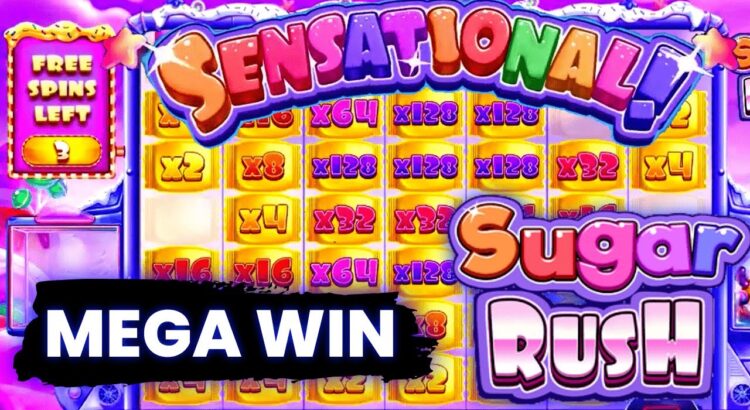

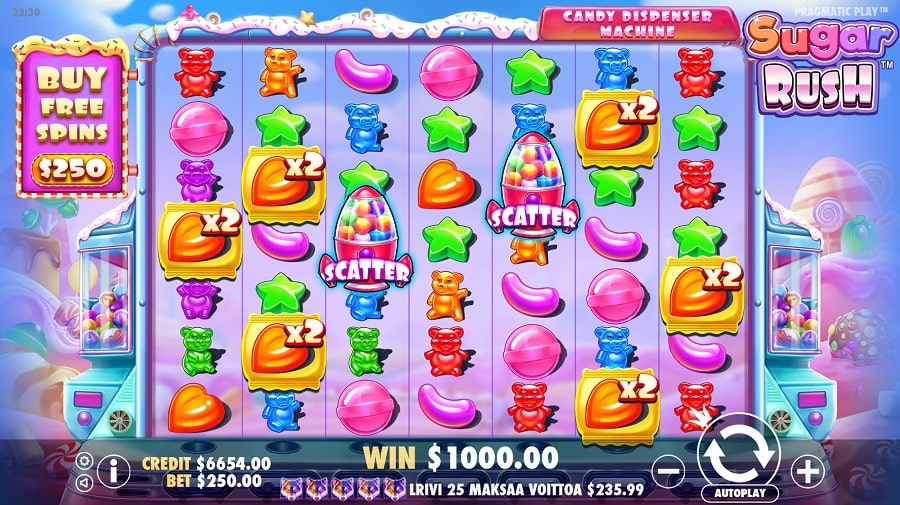
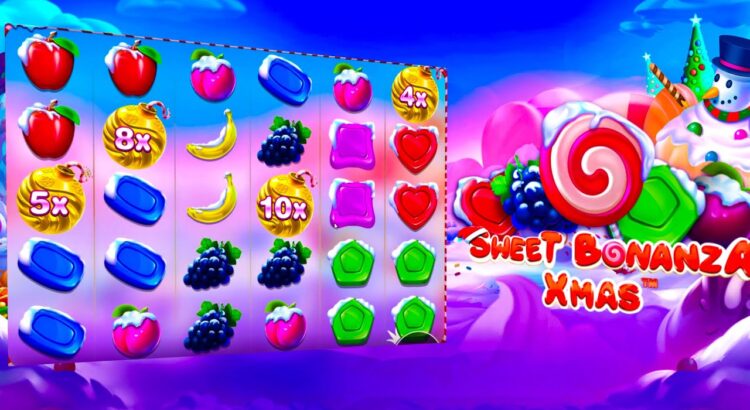
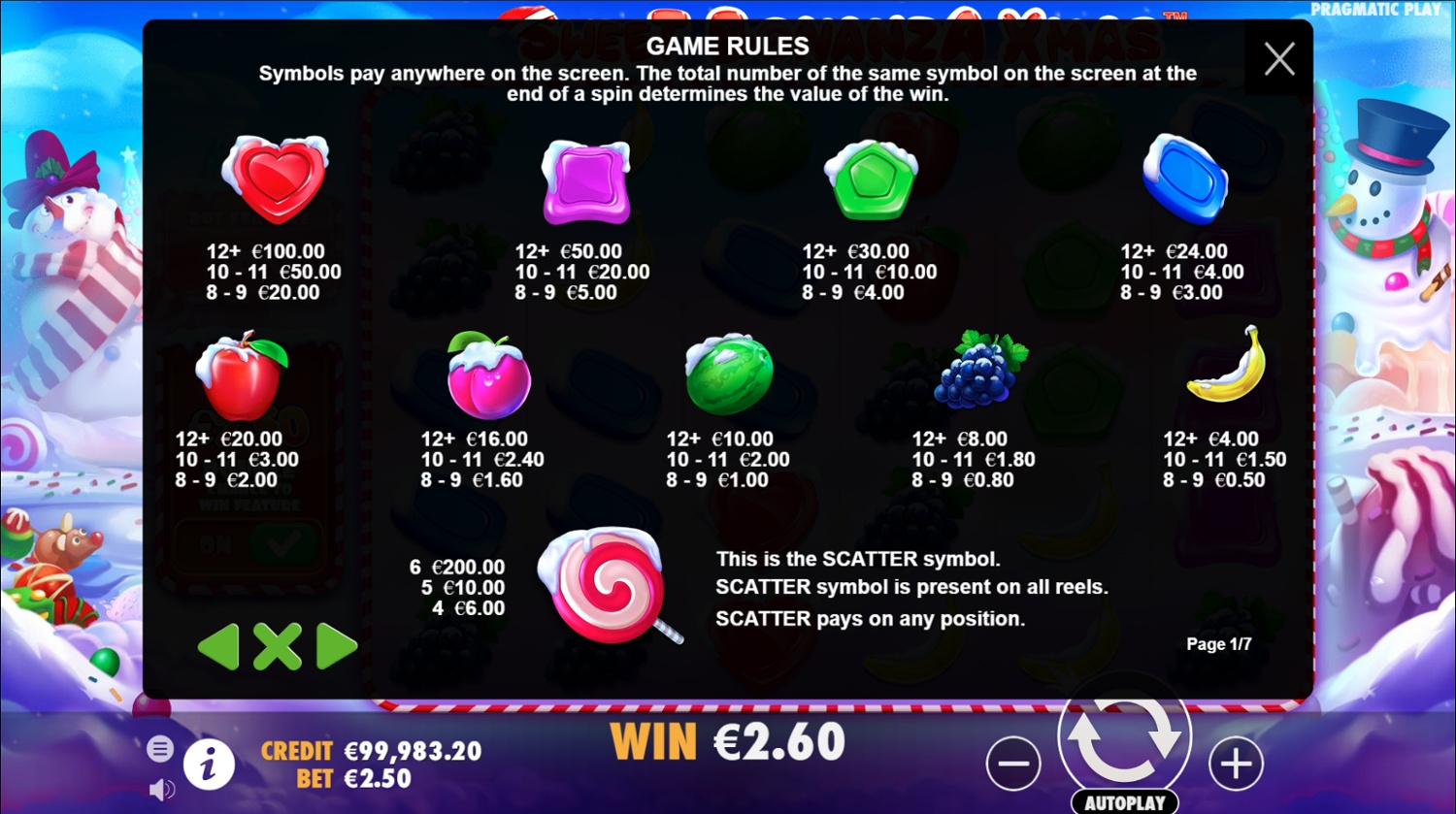

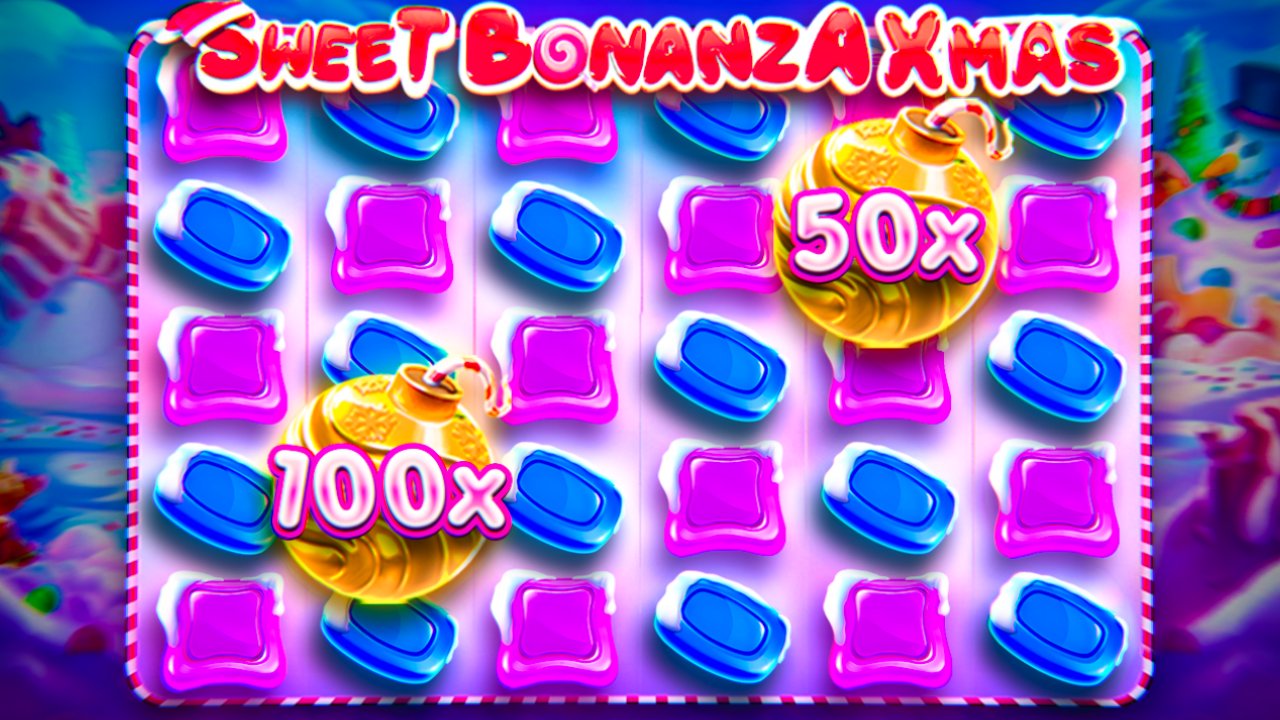

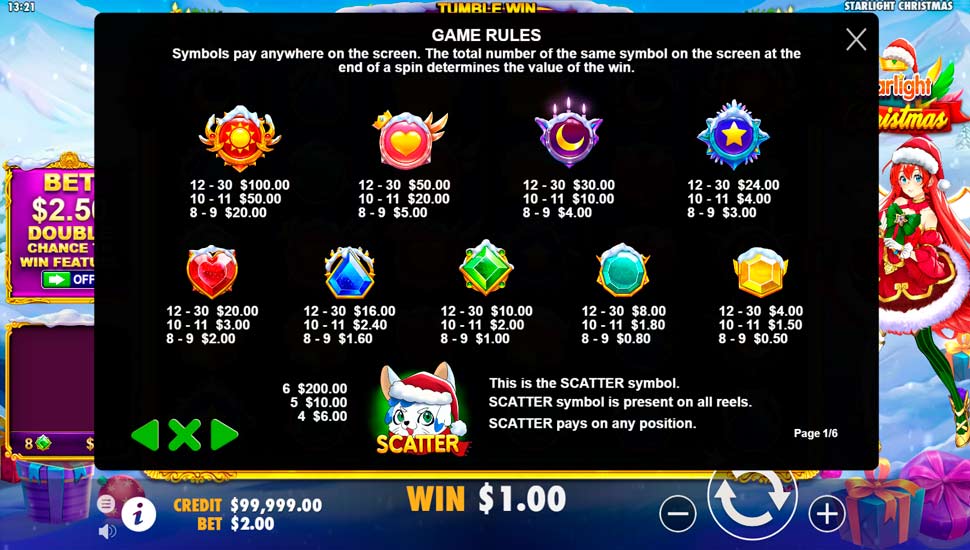



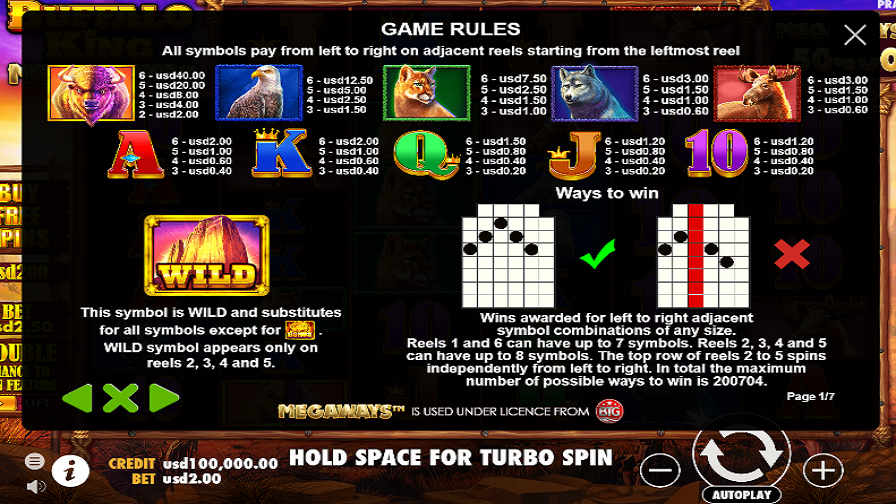


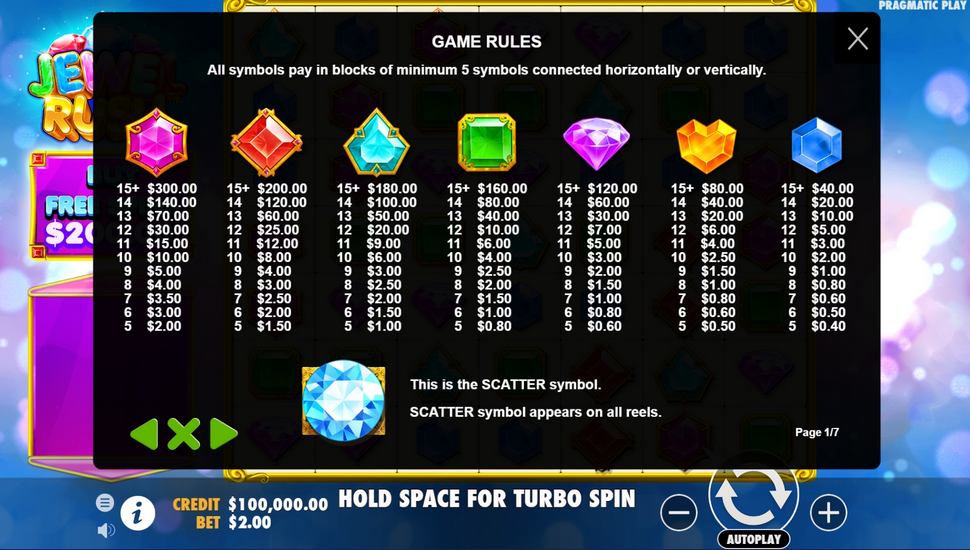





 Tidak ada simbol Wild di selama permainan. Simbol Scatter memicu fitur freespin ketika 4 atau lebih simbol Scatter muncul pada gulungan dalam satu putaran. Anda bisa memulainya dengan 10 putaran freespin. Jika putaran permainan menghasilkan 3 atau lebih simbol Scatter, maka anda akan memperoleh 5 freespin tambahan. Simbol nilai pengganda hanya akan muncul selama freegame, dan tetap berada di gulungan hingga akhir putaran Scatter. Saat simbol Scatter muncul, anda akan memperoleh nilai pengganda acak antara x2 sampai x100. Setelah putaran Scatter selesai, semua nilai simbol pengali akan ditambahkan, dan total kemenangan anda dari urutan tersebut akan dikalikan dengan nilai tersebut.
 Sebagai salah satu provider top di dunia industri mesin slot, Pragmatic Play tidak henti – hentinya merilis berbagai permainan terbaiknya. Salah satunya yang sangat familiar di telinga anda tentunya permainan yang menjadi pembahasan kita kali ini, Sweet Bonanza. Bermain Sweet Bonanza seakan – akan membawa anda ke Negeri Permen yang indah. Mengingatkan anda dengan sebuah permainan android ternama yang bernama